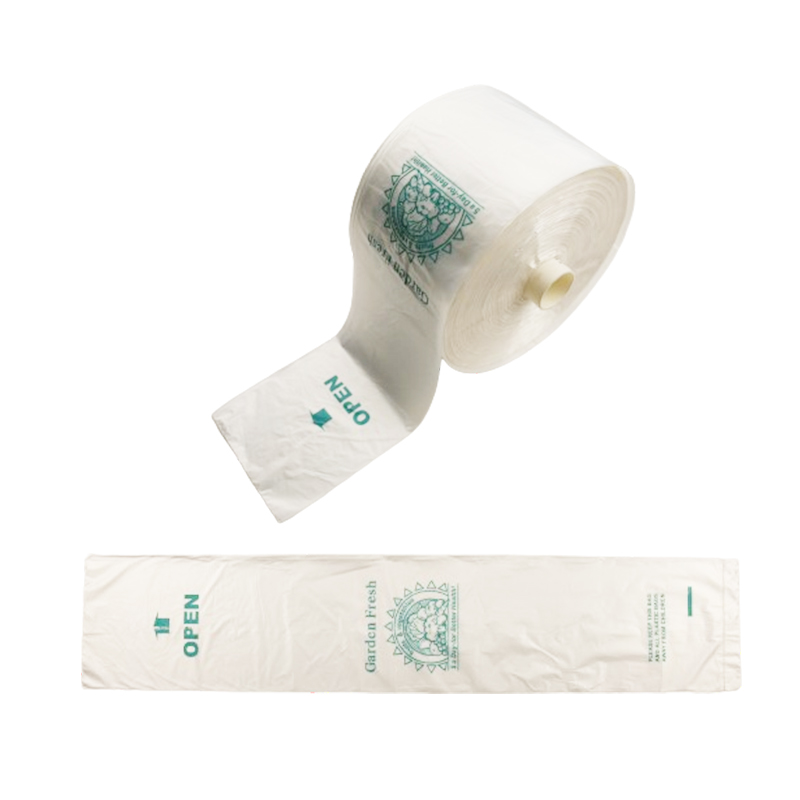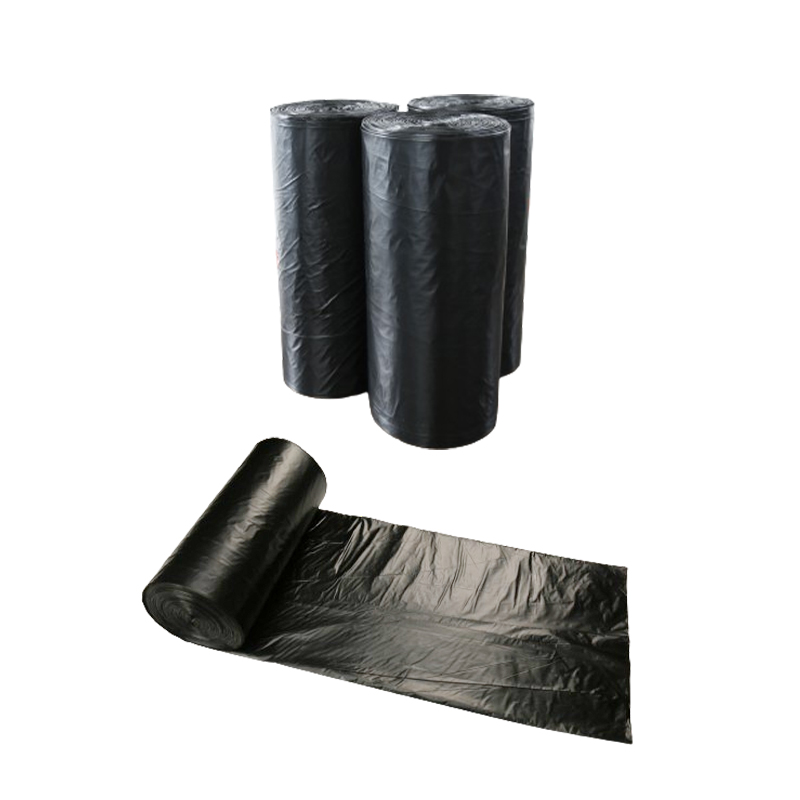

1. Firstly, it is necessary to check whether the appearance of the plastic bag has a "food use" logo. Usually, this logo should be prominently displayed on the front of the packaging bag. Secondly, it depends on the color. Generally speaking, colored plastic bags mostly use recycled waste plastics and cannot be used to store food. For example, some markets use black plastic bags to store fish, shrimp, and other aquatic products or meat, which were originally intended to hold garbage, and consumers should avoid using them. Finally, check if there are any impurities in the plastic bag. Place the plastic bag in sunlight or light to see if there are any black spots or gaps. Plastic bags with impurities must have used waste plastic as raw material.
2. Smell the plastic bag for any unusual odor and whether it makes people feel nauseous. Qualified plastic bags should be odorless, while unqualified plastic bags may carry various odors due to the use of additives.
3. Qualified plastic bags have a certain strength and will not break easily when torn; However, unqualified plastic bags often have poor strength and are prone to breakage due to the addition of impurities.
4. Qualified plastic bags will make a crisp sound when shaken; Unqualified plastic bags often have a dull buzzing sound.
Plastic bags should hold less hot and oily food. Of course, one way to reduce harm is to avoid using plastic bags to hold overheated or oily food when you are unsure if they are safe. Unsafe plastic bags mainly contain harmful substances such as dyes and heavy metals. The oil contained in oily food such as meat, fish and deep-fried dough sticks is actually a solvent, which can separate harmful substances from plastic bags; High temperatures can soften plastics and also promote the release of harmful substances, leading to poisoning. Therefore, storing vegetables or frozen foods at room temperature is relatively safer.